
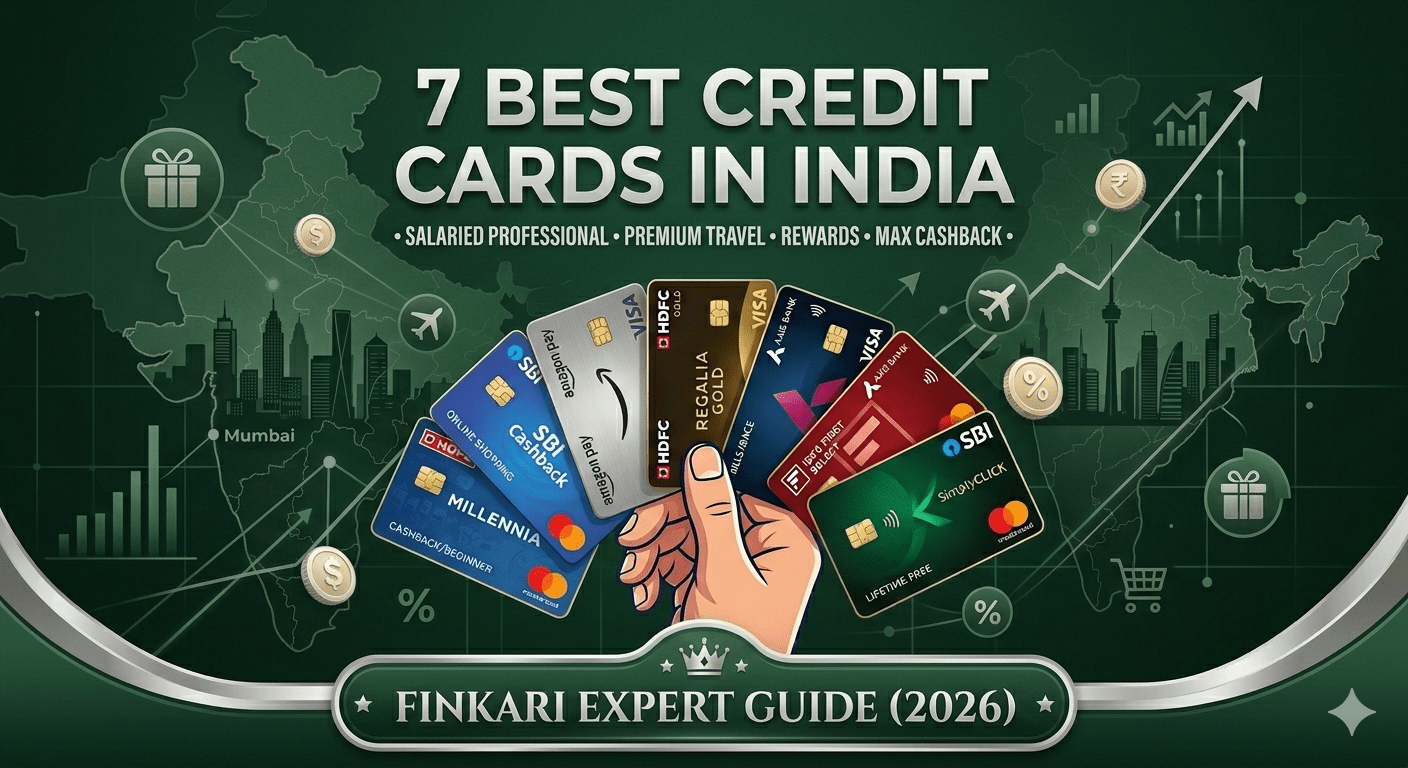
Getting a credit card today is easy.
Choosing the Best Credit Cards in India is where most people get confused.
With hundreds of options available, finding the best credit card in India isn’t about picking the most popular card – it’s about choosing one that actually fits your spending habits, income, and lifestyle. Some cards focus on cashback, some offer travel rewards and lounge access, while others are designed for everyday shopping and bill payments.
The right credit card can help you earn real rewards on expenses you already make, build a strong credit score, and manage monthly spending more efficiently. The wrong one can quietly cost you money through annual fees, low rewards, and unnecessary interest.
To make things simple, we’ve carefully shortlisted the best credit cards in India for salaried professionals, beginners, and everyday users. Each card below is selected based on real cashback value, reward benefits, annual fee justification, and overall usability in daily life.
Let’s start with the top credit cards worth considering right now.
7 Best Credit Cards in India
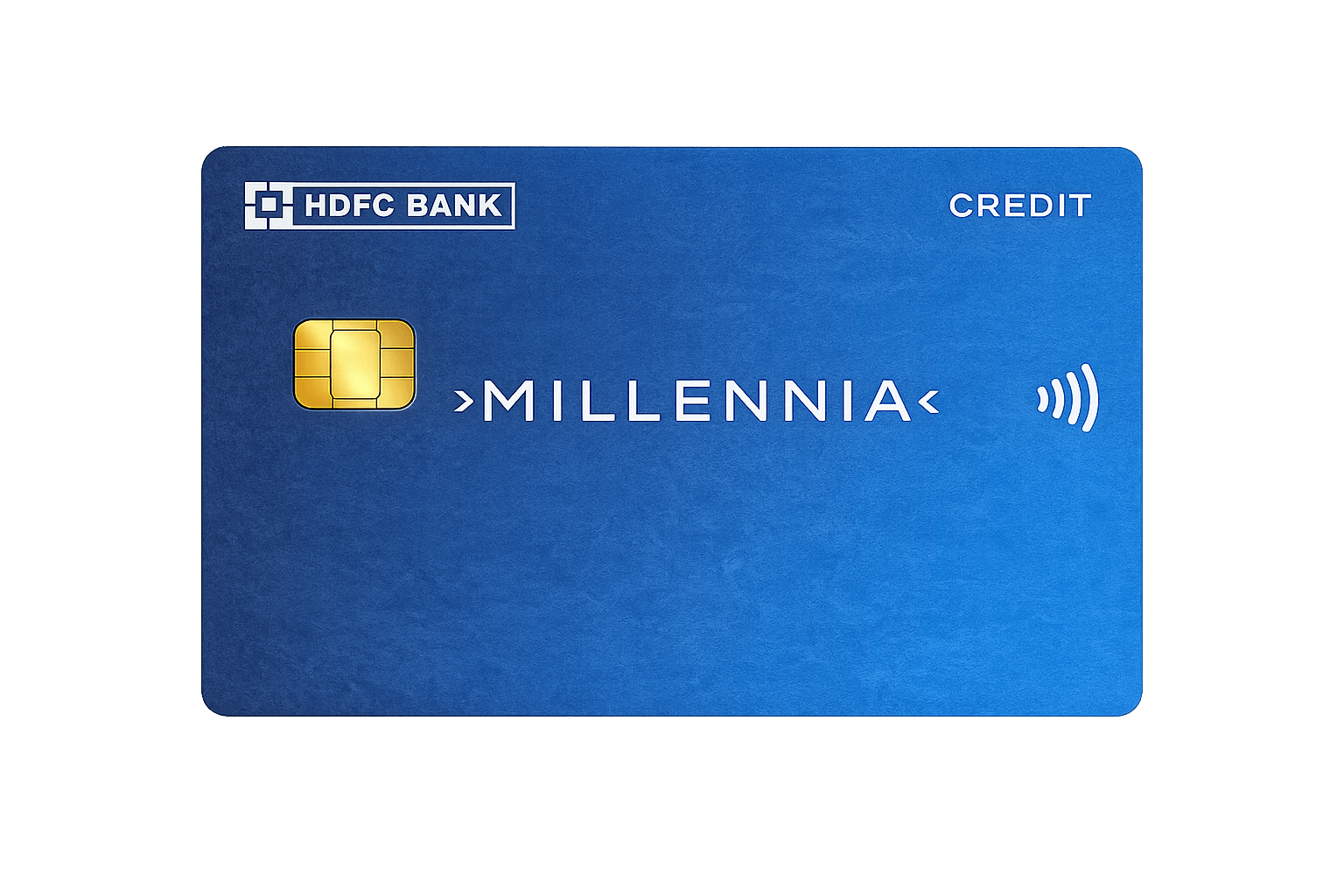
HDFC Millennia Credit Card
Joining Fee: ₹1000 | Annual Fee: ₹1000
- 5% cashback on Amazon, Flipkart, Swiggy
- 1% cashback on all other spends
- Welcome bonus & reward points
- Best for salaried beginners
Why choose this card?
HDFC Millennia is one of the most practical cashback credit card for salaried professionals in India. If most of your monthly spending happens on Amazon, Flipkart, Swiggy, Zomato, or online subscriptions, this card can generate consistent cashback every month without complicated reward calculations.
Unlike premium travel cards, the benefits here are simple and easy to use. You spend online, and you earn cashback. That’s why this card is often recommended as one of the best first credit cards for beginners and working professionals.
Over a year, regular users can easily recover the annual fee through cashback alone.
Finkari Expert Verdict:
If you want a simple, high-value cashback credit card that rewards daily spending without complexity, HDFC Millennia is one of the safest and smartest choices in India right now.
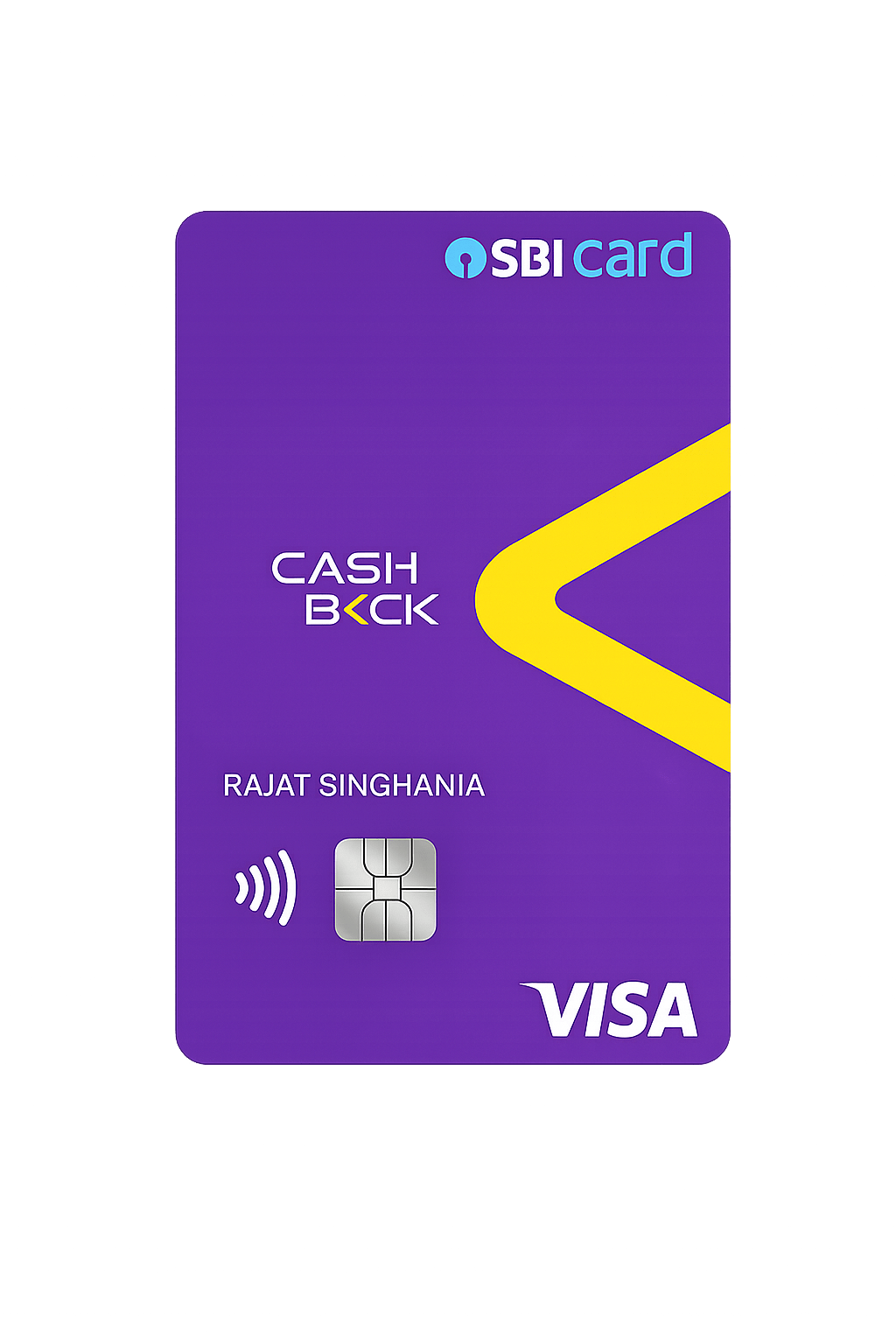
SBI Cashback Credit Card
Joining Fee: ₹999 | Annual Fee: ₹999 (Waived on ₹2L spend)
- 5% cashback on all online spends
- 1% cashback on offline transactions
- No merchant restrictions on cashback
- Best cashback card in India for online users
Why choose this card?
SBI Cashback Credit Card is one of the most rewarding cashback credit card for online spenders in India. If most of your monthly expenses happen on Amazon, Flipkart, Myntra, Swiggy, Zomato, or other online platforms, this card can generate consistent cashback every month without complicated reward calculations.
Unlike reward-point based cards, the benefits here are simple and easy to use. You spend online, and you earn direct cashback. There is no need to convert reward points or track redemption values. That’s why this card is often recommended as one of the best cashback credit cards for salaried professionals and everyday online users.
Over a year, regular users can easily recover the annual fee within a few months through cashback alone and continue earning real savings on daily spending.
Finkari Expert Verdict:
If you want a high-cashback credit card focused purely on online spending and real monthly savings, SBI Cashback Credit Card is one of the smartest and highest-value credit cards in India right now.
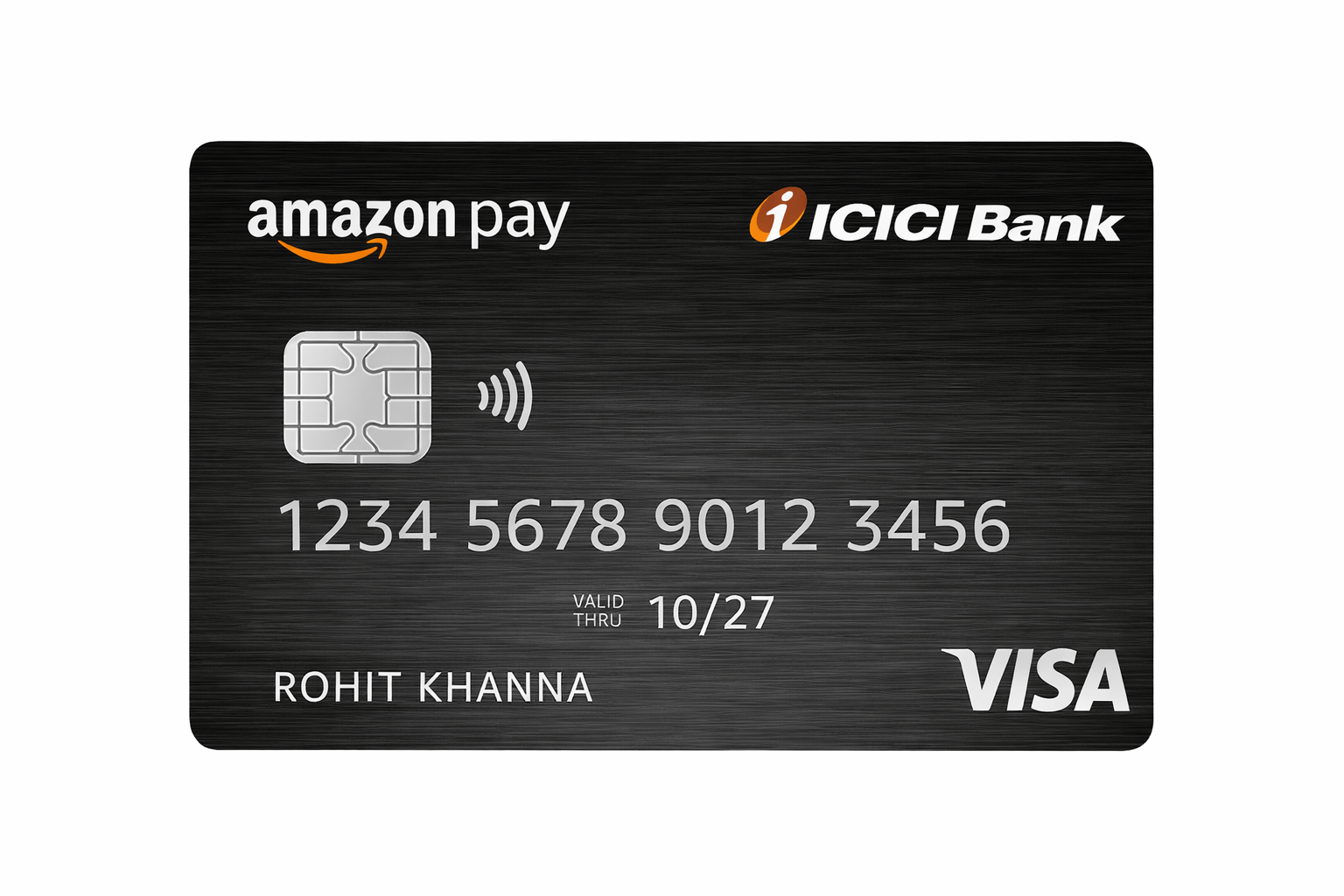
Amazon Pay ICICI Credit Card
Joining Fee: ₹0 | Annual Fee: ₹0 (Lifetime Free)
- 5% cashback for Amazon Prime users
- 3% cashback for non-Prime users
- 1% cashback on all other spends
- No expiry on reward points
- Best lifetime free credit card in India
Why choose this card?
Amazon Pay ICICI Credit Card is one of the highest cashback credit card in India for people who shop online regularly. If you frequently order from Amazon, pay utility bills, recharge mobiles, or shop for groceries and electronics, this card can generate real monthly savings without complicated reward systems.
The biggest strength of this card is simple cashback. There are no confusing reward point conversions. You spend, and cashback gets credited directly to your Amazon Pay balance. Prime members usually get the highest cashback rates on Amazon purchases, while non-Prime users still earn solid rewards.
Unlike premium cards that focus on travel or luxury benefits, this card is built for daily spending and online shopping. That makes it one of the best lifetime free credit cards for salaried professionals, beginners, and online shoppers in India.
Over time, regular users can earn thousands of rupees yearly just through normal expenses like shopping, bill payments, and subscriptions.
Finkari Expert Verdict:
If your monthly spending is heavily focused on Amazon and online transactions, Amazon Pay ICICI Credit Card is one of the smartest lifetime free cashback cards in India right now. It delivers consistent rewards without annual fees or complicated conditions.
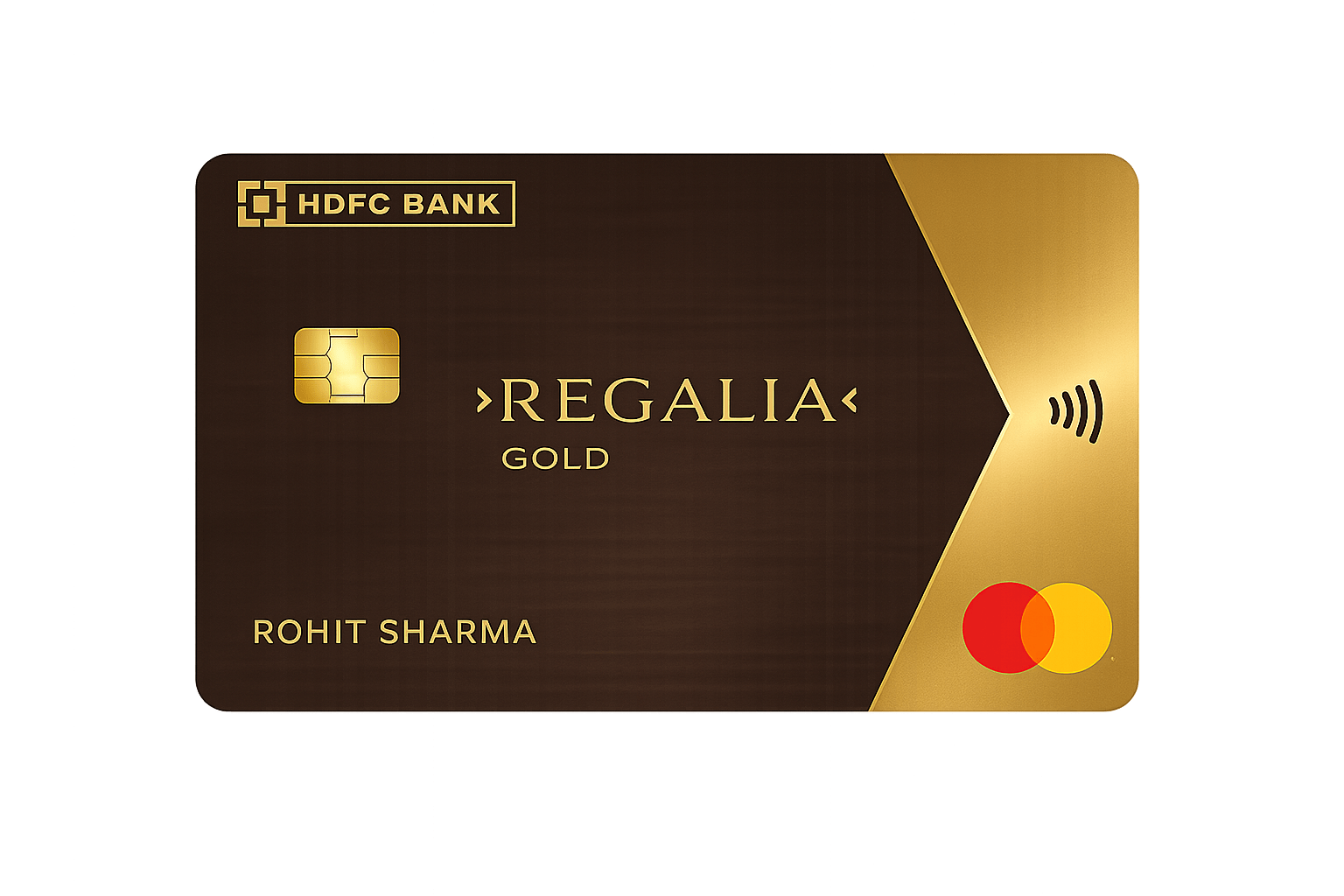
HDFC Regalia Gold Credit Card
Joining Fee: ₹2500 | Annual Fee: ₹2500 (Waived on ₹4L spend)
- Complimentary airport lounge access (domestic & international)
- Reward points on all spends
- Travel & dining privileges
- Fuel surcharge waiver
- Best premium credit card for salaried professionals
Why choose this card?
HDFC Regalia Gold is a strong mid-premium credit card for salaried professionals who want better travel and lifestyle benefits without paying ultra-premium annual fees. It is suitable for people who travel a few times a year and spend regularly on dining, shopping, and online bookings.
Instead of focusing on cashback, this card is built around reward points and travel-oriented perks. You earn points on most categories of spending, which can later be redeemed for flights, hotel bookings, vouchers, or shopping.
A major highlight of this card is the complimentary airport lounge access and travel-related privileges, which add real value if you fly occasionally for work or vacations. For someone upgrading from an entry-level cashback card, this feels like a noticeable lifestyle upgrade.
If used consistently for travel, dining, and online transactions, the rewards and benefits can comfortably offset the annual fee over time.
Finkari Expert Verdict:
If you are ready to move beyond basic cashback cards and want a balanced travel and lifestyle credit card without entering very high fee territory, HDFC Regalia Gold is one of the smartest mid-premium options in India.
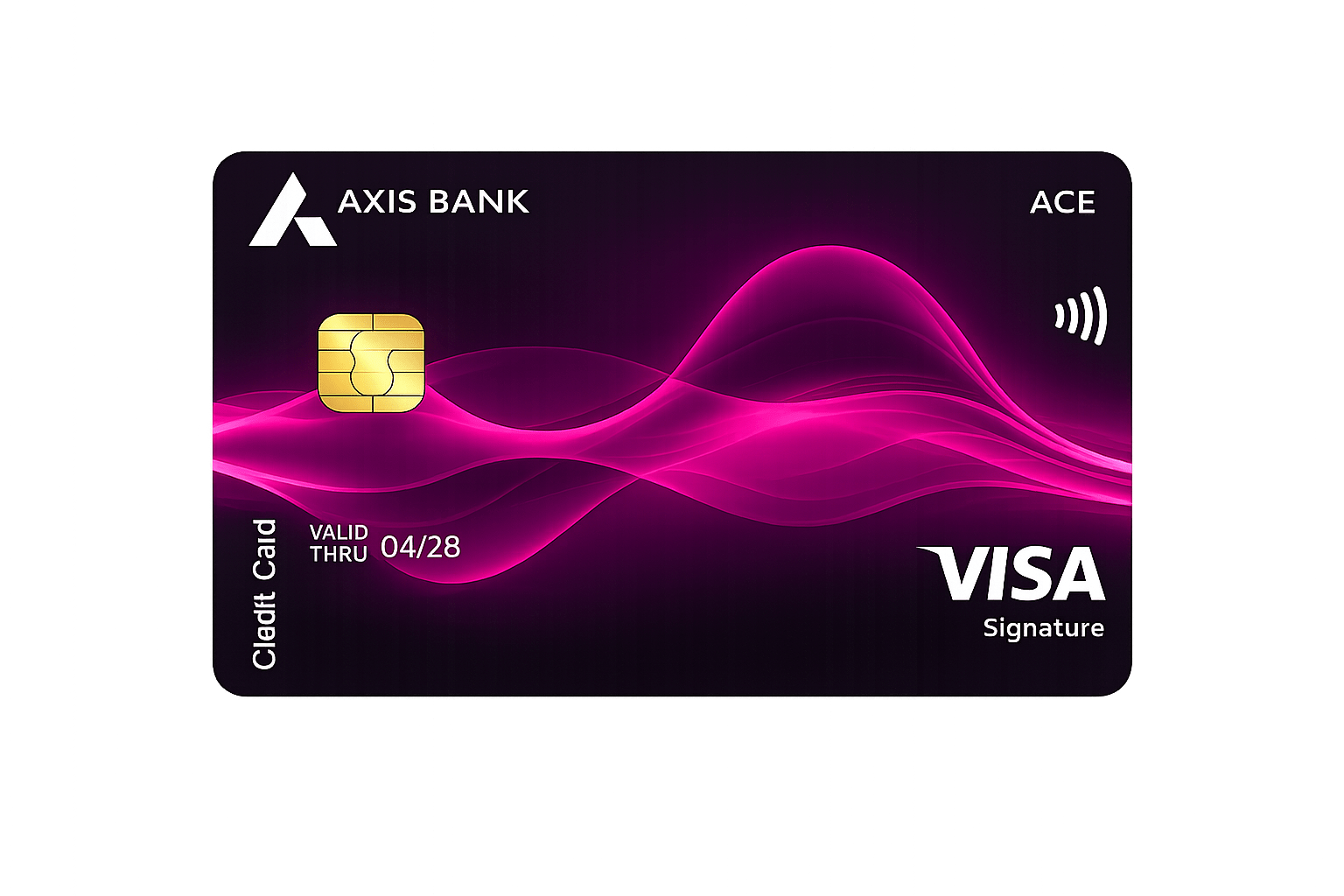
Axis Bank ACE Credit Card
Joining Fee: ₹499 | Annual Fee: ₹499 (waived on ₹2L yearly spend)
- 5% cashback on bill payments via Google Pay
- 4% cashback on Swiggy, Zomato & Ola
- 1.5% unlimited cashback on all spends
- Best cashback credit card under ₹500 fee
Why choose this card?
Axis Bank Ace Credit Card is one of the most rewarding cashback credit cards for people who pay regular utility bills and use online services frequently. If your monthly spending includes electricity bills, mobile recharge, Swiggy, Zomato, or offline shopping, this card can generate consistent cashback without complicated reward tracking.
The biggest strength of Axis Ace is straightforward cashback. Instead of confusing reward points or redemption rules, you get direct cashback on eligible spends. This makes it ideal for salaried professionals who want real savings on daily expenses rather than travel points or luxury benefits.
Unlike premium lifestyle cards, the focus here is value and simplicity. You spend on essentials and everyday services, and you earn cashback automatically. Over a year, regular users can easily recover the annual fee and still earn meaningful savings.
This card is especially useful for people who prefer cashback over reward points and want a reliable everyday spending card.
Finkari Expert Verdict:
If your monthly expenses include utility bills, food delivery, and daily spending, Axis Bank Ace is one of the best cashback credit cards in India for consistent real-world savings without complexity.
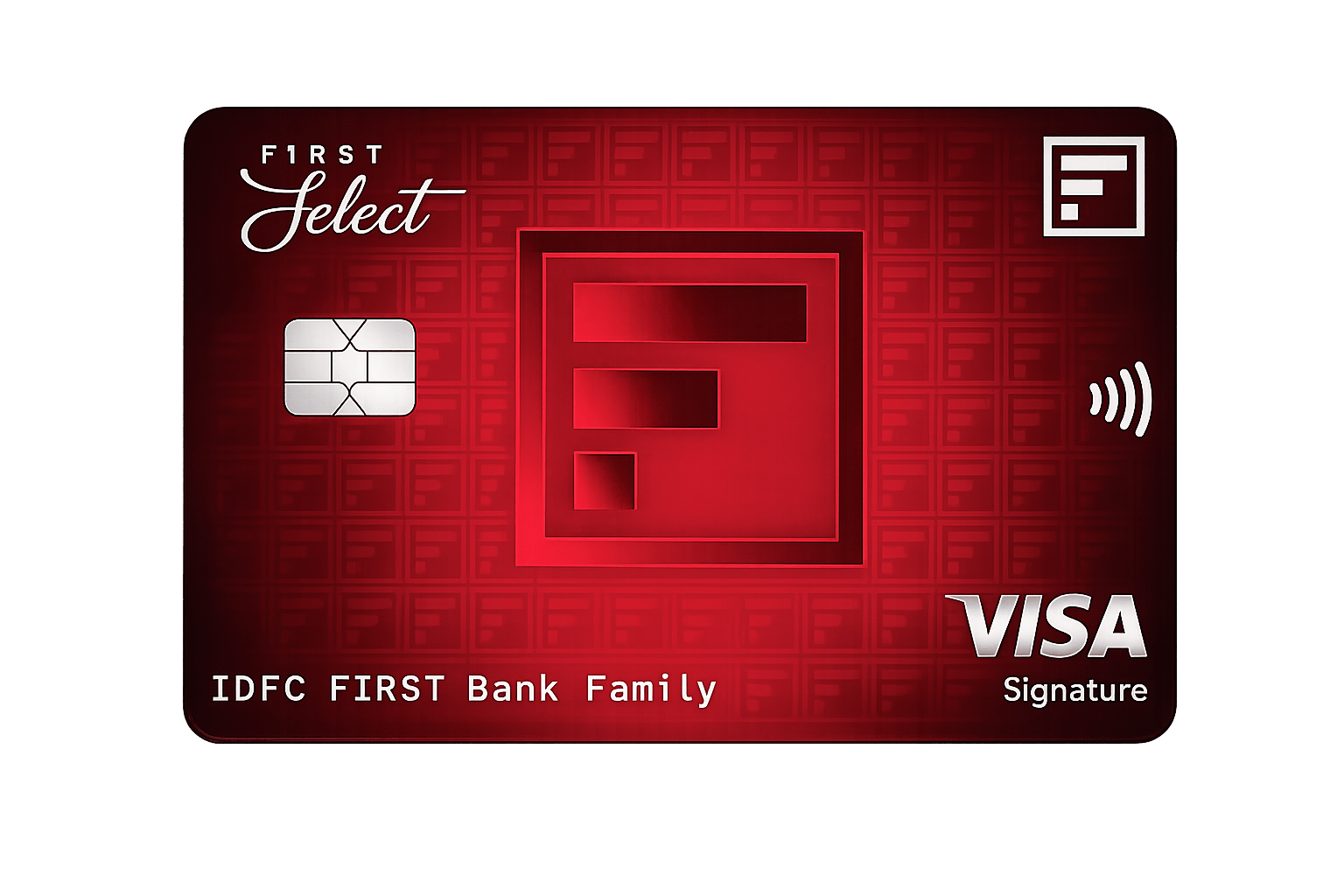
IDFC FIRST Select Credit Card
Joining Fee: ₹0 | Annual Fee: ₹0 (Lifetime Free)
- Lifetime free credit card with no annual fee
- Up to 10X reward points on spends
- Complimentary railway & airport lounge access
- Low forex markup for international usage
- Best for salaried professionals & beginners
Why choose this card?
IDFC FIRST Credit Cards are among the most valuable lifetime free credit card in India for salaried professionals and beginners who want rewards without paying annual fees. If you want a card that gives reward points on almost every transaction while keeping costs zero, this card becomes a strong long-term option.
One of the biggest advantages of IDFC FIRST cards is that they are lifetime free. You don’t have to worry about annual fee recovery or spending targets just to keep the card active. You can simply use it for regular spending and keep building rewards and credit history.
Unlike basic entry-level cards, IDFC FIRST also offers reward points, occasional lounge benefits on select variants, and low forex markup on international usage. This makes it useful not just for beginners but also for professionals who want a secondary card for long-term usage.
The reward structure works well for everyday spending like shopping, dining, travel bookings, and bill payments. Over time, regular usage helps accumulate reward points while also improving your credit score.
Finkari Expert Verdict:
If you want a lifetime free credit card with decent rewards, no annual fee pressure, and strong long-term usability, IDFC FIRST Credit Card is one of the smartest no-fee credit cards in India to keep in your wallet for years.
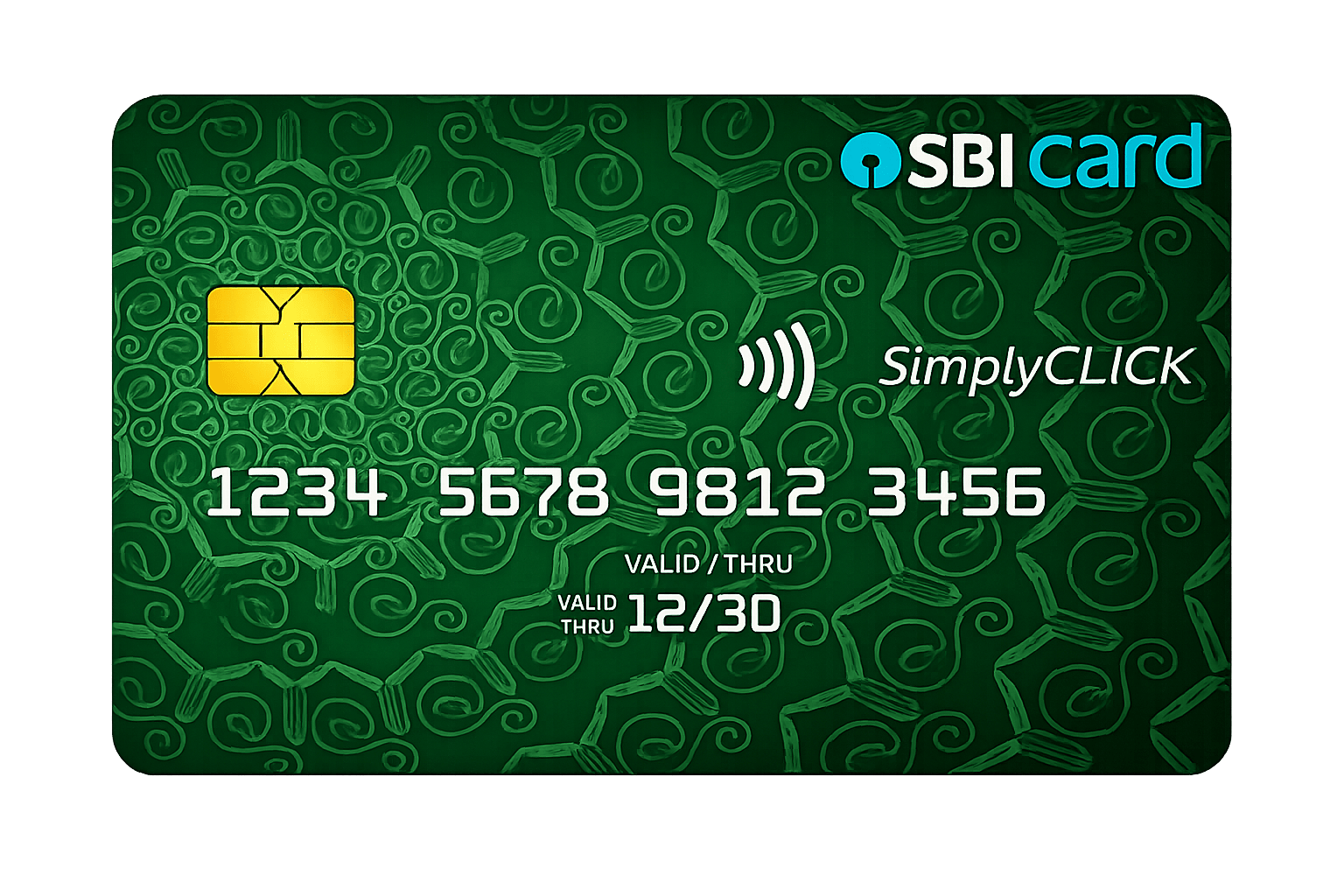
SBI SimplyCLICK Credit Card
Joining Fee: ₹499 + GST | Annual Fee: ₹499 + GST
- 10X reward points on Amazon, Swiggy, BookMyShow & Cleartrip
- 5X reward points on other online spends
- Fuel surcharge waiver
- Great starter shopping credit card
Why choose this card?
SBI SimplyCLICK is one of the most popular entry-level rewards credit card in India, especially for people who spend frequently on online shopping and digital platforms. If your monthly expenses include Amazon, Flipkart, Cleartrip, Swiggy, or other online purchases, this card is designed to reward those spends consistently.
The biggest advantage of this card is its strong reward point system on online transactions. You earn higher reward points on online shopping compared to offline spending, making it ideal for people who prefer digital payments and e-commerce purchases.
It also offers welcome benefits, milestone rewards, and annual fee reversal on achieving certain spending levels, which means regular users can easily recover the yearly fee through rewards and vouchers.
Unlike premium cards that require high income or complex reward tracking, SBI SimplyCLICK keeps things straightforward. You spend online, accumulate reward points, and redeem them for vouchers, travel, or products. This simplicity makes it one of the best credit cards for beginners and early salaried professionals.
Over time, if used correctly for routine online expenses, the reward points and vouchers can create meaningful yearly savings.
Finkari Expert Verdict:
If most of your spending happens online and you want a beginner-friendly rewards credit card without high annual fees, SBI SimplyCLICK is one of the smartest entry-level credit cards in India for steady rewards and simple benefits.
Compare The Best Credit Cards in India (2026)
| Credit Card | Best For | Annual Fee | Rewards Type | Apply |
|---|---|---|---|---|
| HDFC Millennia | Online shopping & beginners | ₹1000 | 5% Cashback | Apply |
| SBI Cashback Card | Online cashback | ₹999 | 5% Cashback | Apply |
| Amazon Pay ICICI | Amazon users | Lifetime Free | 5% Cashback | Apply |
| HDFC Regalia Gold | Travel & lounge | ₹2500 | Reward Points | Apply |
| Axis Ace | Bills & cashback | ₹499 | Cashback | Apply |
| IDFC First Select | Lifetime free rewards | Free | Reward Points | Apply |
| SBI SimplyCLICK | Online rewards | ₹499 | Reward Points | Apply |
How to Choose the Best Credit Card in India (Step-by-Step)
Choosing the best credit card in India is not about picking the most popular card.
It is about selecting a card that matches your spending habits and financial goals.
A credit card that works perfectly for someone else might be completely useless for you.
Before applying for any card, you should understand four simple factors.
1. Understand Your Spending Habits
Start by looking at where you spend most of your money every month.
If your spending is mostly on Amazon, Flipkart, Swiggy, Zomato, and online subscriptions, a cashback credit card will give you the highest value.
If you travel frequently for work or vacations, a travel or lounge access credit card will offer better benefits.
If you want a simple card for everyday use and building credit score, a lifetime free beginner card is often the smartest choice.
The best credit card is always the one that rewards your existing spending habits.
2. Check Annual Fee vs Real Value
Many people choose cards with zero annual fees.
But sometimes a paid credit card can give much higher value than its annual fee.
For example:
If a card charges ₹1000 annual fee but gives ₹5000 cashback or rewards yearly, it is actually profitable.
Always ask one question:
Will the rewards and benefits I receive be more than the annual fee?
If yes, the card is worth it.
3. Look at Reward Type (Cashback vs Points vs Travel)
Different cards offer different reward systems.
Cashback cards are simple and best for beginners. You spend and get direct cashback.
Reward point cards are better for travel, shopping vouchers, and lifestyle benefits.
Travel cards give lounge access, air miles, and hotel rewards.
Choose a reward system that you will actually use.
Rewards are useless if they remain unredeemed.
4. Check Eligibility and Approval Chances
Before applying, check:
Income requirement
Credit score (750+ is ideal)
Employment type (salaried/self-employed)
Applying randomly for multiple cards can hurt your credit score.
Always apply only for cards where approval chances are high.
Finkari Expert Tip
If you are a beginner, start with one simple cashback or lifetime free card.
Use it for regular expenses, pay bills on time, and build a strong credit score.
After 6–12 months, you can upgrade to premium cards with better rewards and travel benefits.
Best Credit Cards in India for Different Needs (2026)
Not every credit card is designed for the same type of user.
Some cards are perfect for online shopping, some for travel, and others for daily cashback and bill payments.
Choosing the right credit card becomes much easier when you pick based on your lifestyle and spending pattern.
Below is a simple breakdown of the best credit cards in India based on different needs and user types.
Best Credit Card for Beginners in India
If you are applying for your first credit card, your main goal should be simplicity and easy approval.
Beginner-friendly credit cards usually have:
Low annual fees or lifetime free options
Simple cashback or reward structure
Easy approval for salaried professionals
Useful benefits on daily spending
HDFC Millennia Credit Card and Amazon Pay ICICI Credit Card are among the best choices for beginners because they offer straightforward cashback without complex reward calculations.
These cards help you build your credit score while earning real savings on everyday spending.
Best Cashback Credit Cards in India
Cashback credit cards are the most practical for most salaried professionals.
Instead of complicated reward points, you earn direct cashback on spending.
If your monthly expenses include online shopping, bill payments, food delivery, and subscriptions, cashback cards can generate consistent savings every month.
Top cashback-focused cards include:
SBI Cashback Credit Card
HDFC Millennia Credit Card
Axis Bank ACE Credit Card
These cards offer strong cashback on online purchases, utility bill payments, and daily spending categories, making them ideal for maximum real-world value.
Best Credit Cards for Online Shopping
If most of your spending happens on Amazon, Flipkart, Myntra, or other online platforms, you should choose a card that rewards online transactions heavily.
Online shopping credit cards usually provide:
Higher cashback or reward points on e-commerce
Welcome vouchers or partner discounts
Extra savings during sale seasons
Amazon Pay ICICI Credit Card and SBI SimplyCLICK Credit Card are strong options for frequent online shoppers because they reward digital spending consistently.
Best Travel Credit Cards in India
If you travel frequently for work or personal trips, a travel-focused credit card can provide excellent value.
Travel credit cards usually offer:
Airport lounge access
Air miles or travel rewards
Hotel and flight redemption options
Dining and lifestyle benefits
HDFC Regalia Gold Credit Card is one of the best mid-premium travel cards for professionals who want lounge access and travel rewards without paying ultra-premium annual fees.
Frequent travelers can easily recover the annual fee through lounge visits, reward points, and travel benefits.
Best Lifetime Free Credit Cards in India
If you want to avoid annual fees completely, lifetime free credit cards are a smart option.
These cards are best for:
Beginners building credit score
Light users
People who want a backup credit card
Users who don’t want yearly charges
Amazon Pay ICICI Credit Card and IDFC First Select Credit Card are among the best lifetime free credit cards in India that still offer solid rewards and benefits.
They provide long-term value without the pressure of annual fee recovery.
Best Credit Cards for Salaried Professionals
Salaried professionals usually need a card that balances cashback, rewards, and lifestyle benefits.
A good salaried professional credit card should offer:
Cashback on online and offline spending
Utility bill payment benefits
Dining and shopping rewards
Easy fee waiver on yearly spending
Cards like HDFC Millennia, SBI Cashback Card, and Axis ACE Credit Card are ideal for working professionals who want maximum value from monthly expenses.
Quick Tip Before You Choose Any Card
There is no single “best credit card” for everyone.
The best card always depends on how you spend your money every month.
A person who shops online frequently will benefit more from cashback cards.
A frequent traveler will gain more from travel and lounge cards.
Choose a credit card that matches your lifestyle, not just the one with the most marketing hype.
Hidden Charges of Credit Cards Most People Ignore
Most people apply for a credit card by looking only at cashback, rewards, and welcome bonuses.
But the real cost of a credit card often lies in the hidden charges that many users ignore.
Understanding these charges can save you thousands of rupees every year and help you use your card smartly without falling into unnecessary debt.
1. Annual Fee and Renewal Charges
Many credit cards come with an annual fee. Some are low, while premium cards can charge ₹2,000 to ₹10,000 or more.
However, most cards also offer annual fee waiver if you spend a certain amount yearly.
Before applying, always check:
Annual fee amount
Spending required for fee waiver
Whether the card is lifetime free
If you cannot meet the yearly spending requirement, the annual fee can quietly reduce your rewards and cashback value.
2. High Interest Rate on Outstanding Balance
Credit cards have one of the highest interest rates among financial products.
If you do not pay the full bill on time, interest charges can range between 30% to 45% per year.
This means if you carry a balance every month, any cashback or reward you earn becomes meaningless because interest charges will be much higher.
Always remember:
Pay full amount before due date
Avoid minimum payment trap
Use credit card like debit card
Smart users treat credit cards as a payment tool, not borrowed money.
3. Late Payment Fees
If you miss your credit card payment due date, banks charge a late fee.
This fee usually ranges from ₹500 to ₹1,300 depending on your outstanding amount.
Late payments also impact your credit score negatively, making it harder to get loans in future.
Set auto-pay or reminders to avoid missing due dates.
4. Foreign Transaction Charges
If you use your credit card for international payments, subscriptions, or travel, banks charge a foreign transaction fee.
This is usually between 2% to 3.5% per transaction.
For frequent international spending, consider a credit card with low or zero forex markup fee to save money.
5. Cash Withdrawal Charges
Withdrawing cash using a credit card should be avoided unless it’s an emergency.
Why?
Immediate interest starts from day one
No interest-free period
Extra cash withdrawal fee
ATM charges
This can become very expensive quickly.
Credit cards are designed for spending, not for cash withdrawal.
6. Overlimit Charges
If you spend beyond your credit limit, banks may allow the transaction but charge an overlimit fee.
Some banks also reduce your credit score if you constantly use more than 80–90% of your credit limit.
Try to keep usage below 30–40% of total limit for a healthy credit profile.
7. Dynamic Currency Conversion Fees
When paying on international websites, you may see an option to pay in INR instead of foreign currency.
This looks convenient but usually comes with extra conversion charges.
Always pay in the original currency to avoid hidden conversion fees.
How to Avoid All These Charges
Using a credit card smartly is simple if you follow a few basic rules:
Pay full bill every month
Never miss due date
Don’t withdraw cash
Track yearly fee waiver spending
Choose card based on lifestyle
If used correctly, a credit card can give free rewards, cashback, and travel benefits.
If used carelessly, it can become the most expensive financial mistake.
Credit Card Eligibility in India (Minimum Salary, CIBIL Score & Approval Factors)
Before applying for any credit card, it’s important to understand whether you are eligible.
Many applications get rejected not because the person is unqualified, but because they apply without checking basic approval factors.
Every bank has slightly different criteria, but most credit card approvals in India depend on four main things:
Your income
Your credit score
Your job stability
Your existing loans
If these four factors are strong, getting a credit card becomes much easier.
Minimum Salary Required for Credit Card in India
The minimum salary requirement depends on the type of card you apply for.
Basic entry-level cards usually require a lower salary, while premium travel and lifestyle cards require higher income.
Here is a simple idea:
Entry-level credit cards
₹15,000 – ₹25,000 monthly salary
Mid-level cashback & rewards cards
₹25,000 – ₹60,000 monthly salary
Premium travel & lifestyle cards
₹60,000+ monthly salary
If you are a salaried professional working in IT, corporate, or MNC companies, approval chances are usually higher.
Self-employed individuals can also apply, but banks may ask for income proof like ITR and bank statements.
Credit Score Required for Credit Card Approval
Your credit score plays a major role in credit card approval.
A score above 750 is generally considered excellent and increases approval chances significantly.
Here is how banks view credit scores:
750+ – High approval chances
700–750 – Good chances
650–700 – Limited options
Below 650 – Difficult approval
If you don’t have any credit history yet, banks may still approve beginner or secured credit cards.
Using one simple credit card responsibly for 6–12 months can help you build a strong credit profile.
Employment Type and Job Stability
Banks prefer applicants with stable income.
Salaried employees working in established companies usually get faster approvals.
If you recently changed jobs, some banks may ask for 3–6 months of salary slips.
Self-employed applicants should have:
Regular income flow
ITR filings
Healthy bank balance
The more stable your income appears, the easier approval becomes.
Age Criteria for Credit Cards
Most banks in India have a minimum and maximum age requirement.
Minimum age: 21 years
Maximum age: 60–65 years (varies by bank)
Students above 18 can apply for add-on or secured credit cards.
Can You Get a Credit Card Without Income?
Yes, but options are limited.
You can still get a credit card if:
You are a student
You don’t have salary yet
You have low income
In such cases, banks offer secured credit cards against fixed deposit (FD).
You create an FD (for example ₹20,000 or ₹50,000), and the bank gives you a credit card against it.
This is one of the easiest ways to:
Build credit score
Start credit history
Get future loan approvals
Why Credit Card Applications Get Rejected
Many people apply randomly and face rejection.
Common reasons include:
Low credit score
Too many recent applications
Unstable income
High existing loans
Incomplete documents
Multiple rejections can also reduce your credit score.
Always apply only for cards where your eligibility is strong.
Finkari Expert Tip
If you are a beginner, don’t chase premium cards immediately.
Start with:
A simple cashback card
Or a lifetime free card
Use it for 6–12 months, build a strong credit score, and then upgrade to premium cards with better rewards and benefits.
This step-by-step approach gives the highest approval success and long-term financial benefits.
How Credit Cards Affect Your Credit Score (CIBIL Guide for Beginners)
Your credit card does more than give cashback and rewards.
It directly impacts your credit score — which affects your ability to get:
Home loans
Car loans
Personal loans
Business loans
Higher credit limits
Better interest rates
In India, your credit score is usually measured by CIBIL score, which ranges from 300 to 900.
A score above 750 is considered good and increases your loan approval chances significantly.
If used correctly, a credit card is one of the fastest ways to build a strong credit score.
If used carelessly, it can damage your credit profile for years.
Let’s understand how it works.
1. Payment History – The Most Important Factor
Your payment history contributes the highest weight in your credit score.
If you:
Pay full amount on time
Never miss due date
Your credit score improves steadily.
If you:
Miss payments
Delay payments
Pay only minimum due regularly
Your credit score drops.
Even one late payment can stay on your credit report for years.
Simple rule:
Always pay before due date.
2. Credit Utilization Ratio
Credit utilization means how much of your total credit limit you use.
Example:
If your total limit is ₹1,00,000 and you spend ₹90,000 regularly, your utilization is 90%.
High utilization signals risk to banks.
For best credit score growth:
Keep utilization below 30%.
If your limit is low, consider requesting a limit increase instead of maxing out your card.
3. Length of Credit History
The longer your credit history, the better.
Closing your oldest credit card may reduce your average credit age.
That is why lifetime free credit cards are useful — you can keep them active for years and maintain long credit history.
4. Multiple Credit Applications
Every time you apply for a credit card or loan, banks perform a hard inquiry.
Too many applications in a short period can reduce your credit score temporarily.
If you apply for 3–4 cards within a month and get rejected, your credit profile weakens.
Apply strategically, not randomly.
5. Mix of Credit Types
Banks prefer applicants who manage different types of credit responsibly.
Example:
Credit card + home loan + car loan (paid on time)
This shows strong repayment ability.
But never take loans just to improve credit mix.
Responsible usage matters more than quantity.
How to Use Credit Cards to Improve Credit Score Fast
If your goal is to build a strong credit profile for future loans, follow this:
Use card for regular expenses
Keep usage under 30%
Pay full bill before due date
Avoid frequent applications
Keep at least one old card active
Within 6–12 months, your credit score can improve significantly.
Why This Matters for Loans
When you apply for:
Home loan
Car loan
Personal loan
Banks first check your CIBIL score.
A higher credit score means:
Faster approval
Higher loan eligibility
Lower interest rates
A difference of even 50 points in credit score can impact your loan interest rate.
That means your credit card behavior today affects your financial future tomorrow.
Finkari Expert Insight
A credit card is not just a spending tool. It is a credit-building instrument.
Use it wisely, and it becomes your biggest financial advantage. Misuse it, and it becomes your biggest financial liability.
Common Credit Card Mistakes That Cost People Thousands
Most credit card problems are not caused by the card itself.
They happen because of small mistakes repeated every month.
Avoiding just a few common errors can save you thousands of rupees every year and protect your credit score.
Let’s look at the biggest mistakes people make.
1. Paying Only the Minimum Due
This is the most dangerous mistake.
When your bill arrives, banks show a “minimum amount due” option.
It looks small and manageable.
But paying only the minimum starts high interest on the remaining balance.
Credit card interest rates in India can go above 35–40% annually.
That means:
Your cashback gets wiped out
Your balance grows quickly
Debt becomes harder to clear
Always pay the full outstanding amount.
2. Using 80–100% of Credit Limit Regularly
Maxing out your credit card every month may not feel risky, but it hurts your credit score.
High credit utilization signals financial stress to lenders.
Even if you pay on time, constantly using more than 80% of your limit can reduce your CIBIL score.
Ideal practice:
Keep usage below 30–40% of your limit.
3. Applying for Too Many Credit Cards
Some people apply for multiple credit cards within weeks to chase welcome offers.
Each application triggers a hard inquiry on your credit report.
Too many inquiries in a short period:
Reduce credit score
Lower approval chances
Signal risk to banks
Apply only for cards you genuinely need.
4. Ignoring Annual Fee and Spending Conditions
Many users forget about annual fee waiver conditions.
They take a card with ₹1,000 annual fee assuming it’s affordable.
But if you don’t meet spending criteria for fee waiver, that fee reduces your total reward value.
Always check:
Annual fee
Spending required for waiver
Renewal benefits
5. Withdrawing Cash Using Credit Card
Using credit card for ATM withdrawal should be avoided unless it’s an emergency.
Why?
Interest starts immediately
No interest-free period
Extra withdrawal charges
ATM fees
This can become very expensive very fast.
Credit cards are built for transactions, not cash withdrawals.
6. Missing Due Dates
One missed payment can:
Add late fee
Add interest
Reduce credit score
Stay on credit report
Even financially disciplined people sometimes forget due dates.
Best solution:
Enable auto-pay for total bill amount.
7. Spending Just to Earn Rewards
Some people spend extra money just to earn reward points.
This defeats the purpose of credit card benefits.
Remember:
If you spend ₹5,000 extra to earn ₹200 cashback, you are not saving money.
Use credit cards for planned expenses, not impulse purchases.
Smart Credit Card Users Follow One Rule
They treat credit cards as a financial tool — not extra income.
Used with discipline, a credit card:
Builds credit score
Generates cashback
Offers travel perks
Improves financial flexibility
Used carelessly, it becomes the most expensive debt.
The difference is awareness and control.
Frequently Asked Questions About Credit Cards in India
Which is the best credit card in India right now?
The best credit card in India depends on your spending habits and lifestyle.
For cashback and daily spending, cards like HDFC Millennia and SBI Cashback Credit Card offer strong value.
For online shopping, Amazon Pay ICICI and SBI SimplyCLICK are popular choices.
For travel and lounge access, HDFC Regalia Gold is a strong mid-premium option.
There is no single best card for everyone.
The right card is the one that matches how you spend every month.
Which credit card is best for salaried professionals?
Salaried professionals usually benefit most from cashback and rewards credit cards.
The best options typically offer:
Cashback on online shopping and bill payments
Dining and lifestyle benefits
Easy annual fee waiver
Good reward redemption value
Cards like HDFC Millennia, Axis ACE, and SBI Cashback Credit Card are widely considered strong choices for working professionals.
What is the minimum salary required for a credit card in India?
The minimum salary depends on the type of credit card.
Entry-level cards: ₹15,000–₹25,000 monthly income
Mid-range cards: ₹25,000–₹60,000 monthly income
Premium cards: ₹60,000+ monthly income
If you have a strong credit score and stable job, approval chances increase significantly.
Can I get a credit card without a credit score?
Yes, you can still get a credit card without a credit history.
Options include:
Secured credit card against fixed deposit
Beginner cards with low limit
Add-on card on family member account
Using one card responsibly for a few months helps build a strong credit score quickly.
Is it good to have multiple credit cards?
Yes, having 2–3 credit cards can be beneficial if managed properly.
Multiple cards help:
Increase total credit limit
Improve credit utilization ratio
Earn rewards across categories
However, avoid applying for too many cards at once and always pay bills on time.
Do credit cards improve credit score?
Yes. Responsible credit card usage is one of the fastest ways to build a strong credit score.
To improve your score:
Pay full bill on time
Keep utilization below 30%
Avoid frequent late payments
Keep old cards active
Within 6–12 months, disciplined usage can significantly improve your CIBIL score.
Are lifetime free credit cards really free?
Lifetime free credit cards usually have no joining or annual fee.
However, always check:
Late payment fees
Interest charges
Forex markup
Other hidden charges
Even free cards can become expensive if used carelessly.
Which credit card is best for beginners in India?
Beginners should choose simple cashback or lifetime free cards with easy approval.
Good beginner cards typically offer:
Low or zero annual fee
Simple cashback structure
Easy approval for salaried users
Basic reward benefits
These cards help build credit score and financial discipline.
Should I close my old credit card?
Avoid closing your oldest credit card unless absolutely necessary.
Old cards help maintain:
Long credit history
Better credit score
Lower credit utilization ratio
If the card is lifetime free, keeping it active is usually beneficial.
Is using credit card EMI a good idea?
Credit card EMI can be useful for large planned purchases.
But avoid converting every expense into EMI.
Too many EMIs reduce monthly cash flow and increase financial pressure.
Use EMI only when necessary and manageable.
Final Verdict: Which Credit Card Should You Choose?
Choosing the best credit card in India is not about picking the most popular card.
It is about selecting a card that fits your lifestyle, spending habits, and financial goals.
A well-chosen credit card can give you cashback, rewards, travel benefits, and a strong credit score.
A poorly chosen card can lead to unnecessary fees and zero real value.
Here is a simple way to decide.
If You Are a Beginner
Start with a simple and practical card.
Look for:
Low or zero annual fee
Easy approval
Simple cashback structure
Good for daily spending
Cards like HDFC Millennia or Amazon Pay ICICI are usually great starting points for building credit history and earning real savings on regular expenses.
Once your income and credit score improve, you can upgrade to premium cards.
If You Want Maximum Cashback on Daily Spending
Choose a card that rewards your regular expenses like:
Online shopping
Bill payments
Food delivery
Subscriptions
Cashback-focused cards such as SBI Cashback Card, Axis ACE, or HDFC Millennia can generate consistent monthly savings if used properly.
These cards are ideal for salaried professionals who want real value without complicated reward systems.
If You Travel Frequently
If you travel often for work or vacations, choose a card with:
Airport lounge access
Travel rewards or air miles
Hotel and flight benefits
Dining offers
Travel-focused cards like HDFC Regalia Gold provide premium lifestyle benefits and can easily justify their annual fee through rewards and lounge access.
If You Want a Lifetime Free Card
If you don’t want to worry about annual fees, choose a lifetime free credit card that still offers good rewards.
These are best for:
Beginners
Light users
Backup credit card
Credit score building
A good lifetime free card can stay in your wallet for years and help maintain a long credit history.
The Smart Credit Card Strategy (Finkari Expert Advice)
Instead of using just one card forever, smart users follow a simple strategy.
Start with one beginner-friendly cashback card.
Use it regularly and pay bills on time.
Build a strong credit score for 6–12 months.
Then upgrade to a better rewards or travel card.
Over time, you can keep:
One cashback card for daily spending
One premium card for travel and lifestyle
This approach gives maximum benefits without unnecessary fees or complexity.
Final Thought
A credit card is not just a payment tool.
It is a financial instrument that can either improve your financial life or damage it.
Used wisely, it can:
Build excellent credit score
Generate cashback and rewards
Provide travel and lifestyle benefits
Improve financial flexibility
Used carelessly, it can lead to high interest debt and financial stress.
Choose carefully.
Use responsibly.
And let your credit card work for you — not against you.
Disclaimer
Credit card features, fees, and benefits may change over time based on bank policies.
Always verify the latest details on the official bank website before applying for any credit card.
This article is for educational purposes and not financial advice.